Buddha Dhamma (Teaching)
Dhamma Teachers
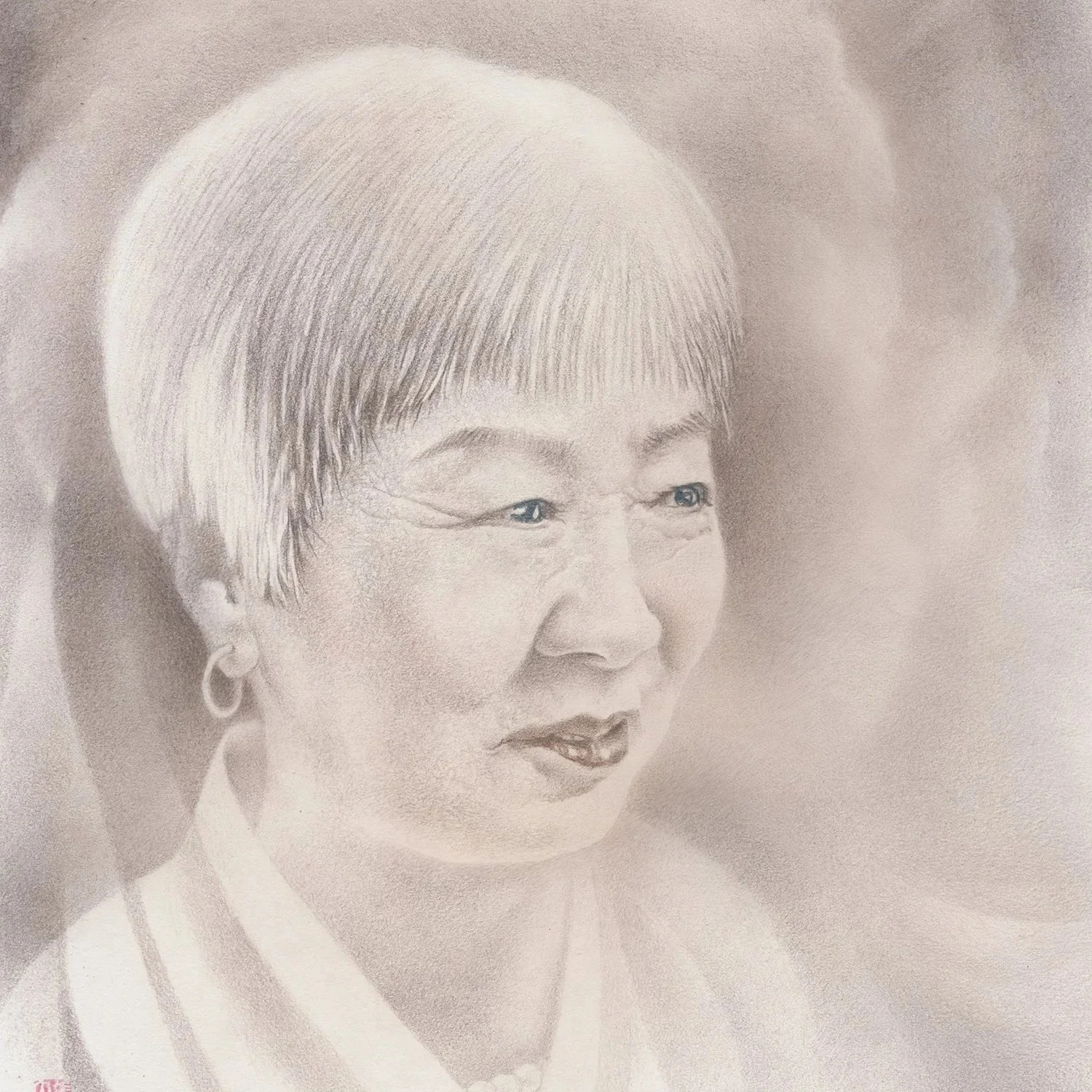
Nancy Acord was born in Seoul, Korea in 1957 and moved to the United States in 1976. She is a U.S. citizen. After completing her bachelor’s degree in business administration at California State University in Los Angeles, she worked as a Certified Public Accountant for international accounting firms, and as a Chief Financial Officer and Chief Executive Officer at a US national healthcare organization. Since retiring from her business career in 2004, she has devoted herself to Buddhist studies. In 2014, she founded the Nibbana Buddhist Education Foundation in the United States.
Kim, Kyong-suk
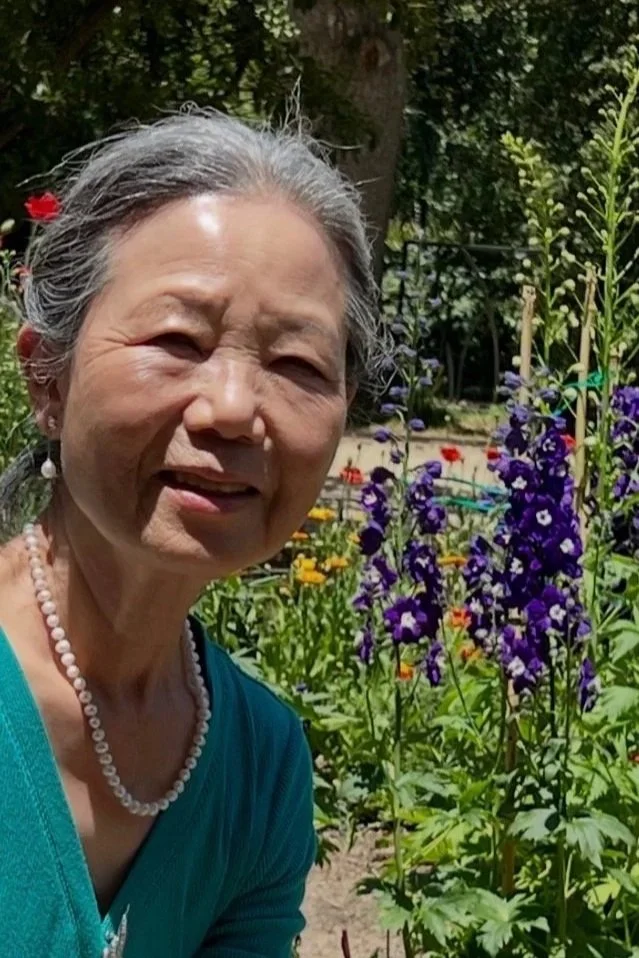
Kim, Kyong-suk was born in Busan, South Korea, in 1950. In 1983, she received a Buddhist book as a gift, which became the beginning of her connection with Buddhism and sparked her interest in the teachings.
In 1985, she immigrated to the United States. In 1987, she visited Tahl Mah Sah Buddhist Temple in Los Angeles, where Zen Master Seung Sahn was residing at the time. There she became a Buddhist and began studying Buddhism more seriously. Later, she also became connected with Pomnyun Sunim’s Jungto Society, through which she continued to deepen her study of Buddhism.
On December 1, 2022, she met Nancy Acord at NBEF and began her formal meditation practice. She currently serves as an NBEF Dhamma teacher and has been volunteering in this role since January 2025.
Bang, Soon Gwon
Bang, Soon Gwon was born in South Korea in 1961. He became a Buddhist lay practitioner under Bulshim Domun Sunim in 1980. He moved to the United States in 1988 and resided there through 2016. Since then, he has been residing in Busan, S. Korea. In 1992, he served as the 9th Principal of the Federation of Young Buddhist Association (FYBA). In the early years of JTS (Join Together Society) in the United States, he supported BeopRyun Sunim’s work. In 2022, he joined NBEF and has been serving as a volunteer Dhamma Teacher since January 2025.
Seo, Jung Jin
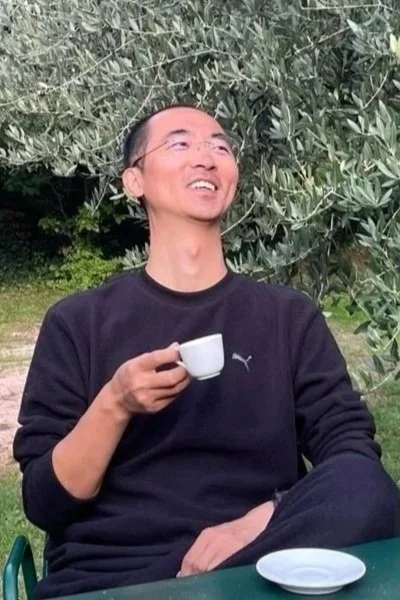
Seo, Jung Jin was born in 1988 and grew up in Yangsan, South Gyeongsang Province, where he spent more than 20 years of his life. At the age of 27, he moved to Seoul, South Korea, and has lived there ever since.
From childhood until the age of 21, he was a typical Protestant Christian. During that time, he began to develop questions about certain aspects of Protestant theology. Wanting to understand these questions more deeply, he studied Calvinist and Puritan theology from the 16th through the 20th centuries, reading them in their historical context. Through this process, he came to see that theological interpretations had evolved over time. This led him to reexamine his previous understanding of Protestant theology. As he continued to study and reflect on the Bible on his own, he eventually decided to stop attending church.
In his twenties, he spent time pursuing business ventures that interested him. In his thirties, he lived for about eight years in a communal living environment for young adults called “Our Neighborhood People.” Later, he moved to “Today Community,” a community that emphasizes altruism as a central principle for a happy life. There he encountered the teachings of Pastor Park Min-soo. Through Pastor Park’s guidance, he came to reflect deeply on his life and learned that strong self-centeredness often makes it difficult to sustain happy communal living and healthy relationships, which in turn can lead to suffering.
Through this process, he realized that as long as one holds on to the idea of a self, it is difficult to build truly happy relationships with others. He came to clearly see how self-centered ways of perceiving the world can distance people from one another and also bring suffering to oneself. This realization led him to search seriously for a fundamental way to move beyond the notion of self.
During this search, he became interested in the teachings of Buddhism. In particular, he came to understand that practice should be grounded in the Four Noble Truths and the Noble Eightfold Path, and that the cessation of lust, hatred, and delusion is a central goal of the path.
While exploring different teachings to find a practice aligned with these principles, he came across Nancy’s talks on YouTube. Hearing the teachings explained with clear practice guidance based on the Nikāyas—along with the results of that practice—resonated deeply with questions he had carried for many years. He decided to join NBEF and immediately devoted himself fully to the practice.
Since then, he has continued living in the community while placing practice at the center of his life. Today, he lives a happy and fulfilling life. Since January 2026, he has also been serving as a volunteer Dhamma teacher with NBEF.


Public Funding
Nibbana Buddhist Education Foundation is a public charity 170 (b)(1)(A)(vi) with broad support from public sources. If you would like to make a donation, please press DONATION button here.